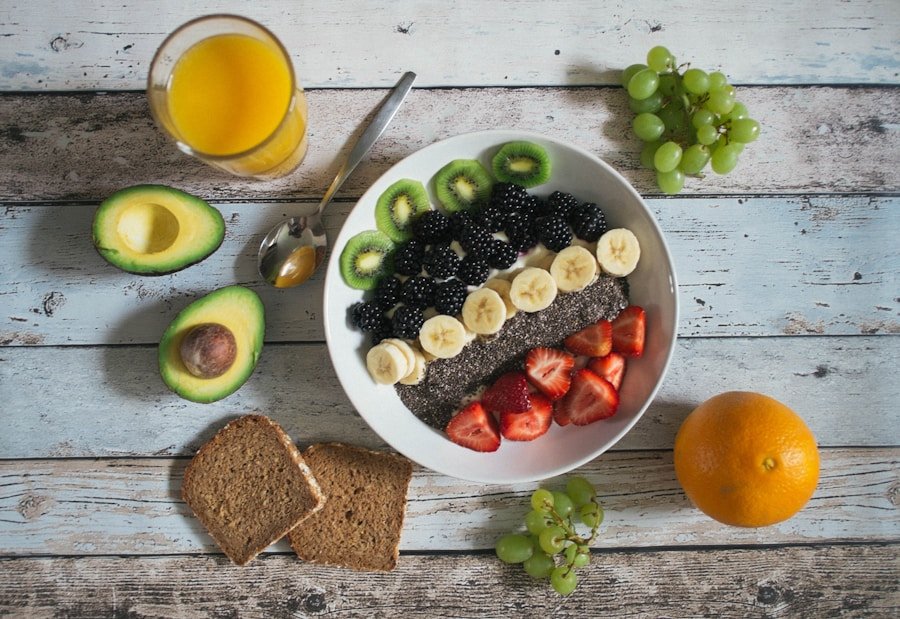

Nourishing foods are essential for maintaining a healthy and balanced diet. These foods are packed with essential nutrients, vitamins, and minerals that are vital for the proper functioning of the body. Nourishing foods not only provide the necessary fuel for our bodies, but they also contribute to overall well-being and longevity. By incorporating a variety of nourishing foods into our diet, we can ensure that we are getting the nutrients we need to thrive and live a healthy life.
Benefits of Eating Nourishing Foods
There are numerous benefits to eating nourishing foods. Firstly, they provide the body with the necessary nutrients to support overall health and well-being. Nourishing foods are rich in vitamins, minerals, and antioxidants, which can help to boost the immune system, improve digestion, and support healthy aging. Additionally, these foods can help to maintain a healthy weight and reduce the risk of chronic diseases such as heart disease, diabetes, and cancer. Furthermore, nourishing foods can also improve energy levels, mental clarity, and mood, leading to a better quality of life.
Top 10 Nourishing Foods to Fuel Your Body
1. Leafy Greens – Leafy greens such as spinach, kale, and Swiss chard are packed with vitamins A, C, and K, as well as folate and fiber. These nutrient-dense foods are low in calories and high in antioxidants, making them an excellent choice for promoting overall health.
2. Berries – Berries such as blueberries, strawberries, and raspberries are rich in antioxidants, fiber, and vitamins C and K. These delicious fruits can help to reduce inflammation, improve heart health, and support brain function.
3. Salmon – Salmon is an excellent source of omega-3 fatty acids, which are essential for heart health and brain function. It is also high in protein and B vitamins, making it a nourishing food that can support overall health.
4. Quinoa – Quinoa is a gluten-free grain that is high in protein, fiber, and essential amino acids. It is also a good source of iron, magnesium, and zinc, making it a nourishing food that can support muscle growth and repair.
5. Avocado – Avocados are rich in healthy fats, fiber, and vitamins C, E, K, and B-6. They also contain potassium, which can help to regulate blood pressure and support heart health.
6. Nuts and Seeds – Nuts and seeds such as almonds, walnuts, chia seeds, and flaxseeds are packed with healthy fats, protein, fiber, and essential nutrients. They can help to reduce inflammation, support brain health, and improve heart health.
7. Greek Yogurt – Greek yogurt is high in protein, calcium, and probiotics, which can support gut health and improve digestion. It is also a good source of vitamin B-12 and potassium.
8. Sweet Potatoes – Sweet potatoes are rich in vitamins A and C, as well as fiber and antioxidants. They can help to regulate blood sugar levels, support eye health, and boost the immune system.
9. Broccoli – Broccoli is a cruciferous vegetable that is high in vitamins C and K, as well as fiber and antioxidants. It can help to reduce inflammation, support heart health, and promote healthy digestion.
10. Beans – Beans such as black beans, chickpeas, and lentils are high in protein, fiber, and essential nutrients such as iron and potassium. They can help to regulate blood sugar levels, support heart health, and improve digestion.
Nutritional Value of Each Nourishing Food
Leafy Greens – Leafy greens are low in calories but high in vitamins A, C, K, folate, and fiber. They also contain antioxidants such as lutein and zeaxanthin, which can help to protect the eyes from age-related macular degeneration.
Berries – Berries are rich in antioxidants such as anthocyanins and flavonoids, which can help to reduce inflammation and protect against chronic diseases such as cancer and heart disease. They are also high in fiber and vitamin C.
Salmon – Salmon is an excellent source of omega-3 fatty acids, which are essential for heart health and brain function. It is also high in protein and B vitamins such as niacin, B-6, and B-12.
Quinoa – Quinoa is a complete protein that contains all nine essential amino acids. It is also high in fiber, iron, magnesium, and zinc.
Avocado – Avocados are rich in monounsaturated fats such as oleic acid, which can help to reduce inflammation and support heart health. They also contain fiber, potassium, vitamin E, and B vitamins.
Nuts and Seeds – Nuts and seeds are high in healthy fats such as omega-3 fatty acids and monounsaturated fats. They also contain protein, fiber, vitamins, minerals, and antioxidants.
Greek Yogurt – Greek yogurt is high in protein, calcium, probiotics, vitamin B-12, potassium, and magnesium. It can help to support gut health and improve digestion.
Sweet Potatoes – Sweet potatoes are rich in beta-carotene (vitamin A), vitamin C, fiber, potassium, and antioxidants such as beta-cryptoxanthin.
Broccoli – Broccoli is high in vitamins C and K, as well as fiber and antioxidants such as sulforaphane. It can help to reduce inflammation and support heart health.
Beans – Beans are an excellent source of plant-based protein, fiber, iron, potassium, folate, magnesium, and antioxidants.
Ways to Incorporate Nourishing Foods into Your Diet
There are many ways to incorporate nourishing foods into your diet. One simple way is to start your day with a nourishing breakfast that includes foods such as Greek yogurt with berries and nuts or a smoothie made with leafy greens, avocado, and protein powder. For lunch or dinner, you can enjoy a nourishing salad with leafy greens, salmon or grilled chicken, quinoa or sweet potatoes, and a variety of colorful vegetables. Snacks can include nuts and seeds or sliced vegetables with hummus or guacamole.
Another way to incorporate nourishing foods into your diet is to experiment with different recipes that feature these foods as the main ingredients. For example, you can make a quinoa salad with roasted vegetables or a stir-fry with broccoli and tofu. You can also try making homemade energy bars with nuts and seeds or baking sweet potato fries for a healthy side dish.
It’s also important to be mindful of portion sizes when incorporating nourishing foods into your diet. While these foods are nutrient-dense and packed with essential nutrients, it’s still important to eat them in moderation as part of a balanced diet. By being mindful of portion sizes and listening to your body’s hunger cues, you can enjoy nourishing foods while still maintaining a healthy weight.
Nourishing Foods for Mental and Emotional Well-being
In addition to supporting physical health, nourishing foods can also have a positive impact on mental and emotional well-being. Research has shown that certain nutrients found in nourishing foods can help to support brain function and improve mood. For example, omega-3 fatty acids found in salmon and nuts have been linked to reduced symptoms of depression and anxiety. Additionally, antioxidants found in berries have been shown to protect against oxidative stress in the brain and improve cognitive function.
Furthermore, nourishing foods can also help to regulate blood sugar levels and reduce inflammation in the body, which can have a positive impact on mental health. Stable blood sugar levels can help to prevent mood swings and energy crashes, while reducing inflammation can help to protect against conditions such as depression and anxiety.
Incorporating nourishing foods into your diet can also have a positive impact on emotional well-being by promoting a healthy relationship with food. By focusing on nourishing your body with nutrient-dense foods that make you feel good both physically and mentally, you can develop a positive mindset around eating that supports overall well-being.
Conclusion and Final Thoughts
In conclusion, nourishing foods play a crucial role in supporting overall health and well-being. By incorporating a variety of nutrient-dense foods such as leafy greens, berries, salmon, quinoa, avocado, nuts and seeds, Greek yogurt sweet potatoes broccoli beans into your diet you can ensure that you are getting the essential nutrients your body needs to thrive. These foods not only provide the necessary fuel for our bodies but they also contribute to mental emotional well-being by supporting brain function improving mood reducing inflammation regulating blood sugar levels.
It’s important to remember that nourishing foods are just one part of a healthy lifestyle that includes regular physical activity adequate sleep stress management techniques such as meditation or yoga regular medical check-ups social connections supportive relationships By taking a holistic approach to your health you can create a balanced lifestyle that supports overall well-being for years to come. So next time you’re planning your meals or snacks consider incorporating some of these nourishing foods into your diet for a delicious way to fuel your body mind soul!