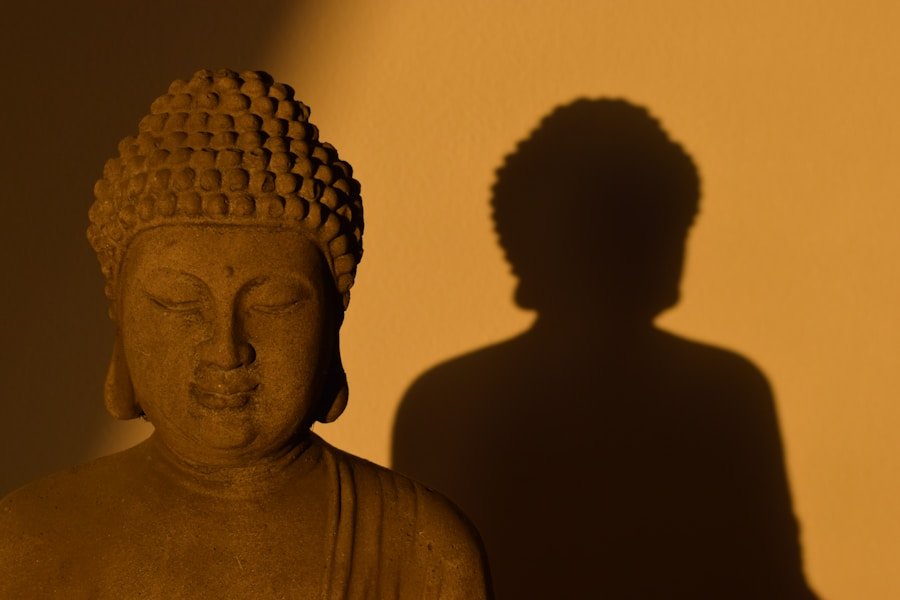

Buddha, also known as Siddhartha Gautama, was born in the 6th century BCE in Lumbini, which is now part of Nepal. He was born into a royal family, and his father, King Suddhodana, wanted him to become a great king. However, Siddhartha was troubled by the suffering he saw in the world and sought a deeper understanding of life. At the age of 29, he left his palace and set out on a spiritual journey to seek enlightenment. After years of meditation and self-discipline, he finally attained enlightenment under the Bodhi tree in Bodh Gaya, India. From that moment on, he became known as the Buddha, which means “the awakened one.” He spent the rest of his life teaching others about the path to inner peace and enlightenment.
Siddhartha’s journey from prince to spiritual leader is a powerful example of the human capacity for transformation. His decision to leave behind a life of luxury and seek a deeper understanding of the world is an inspiring reminder that true fulfillment comes from within. The story of Buddha’s life serves as a timeless reminder that anyone, regardless of their background or circumstances, has the potential to find inner peace and enlightenment.
The Path to Enlightenment: Buddha’s Journey to Inner Peace
Buddha’s teachings are centered around the Four Noble Truths and the Eightfold Path, which outline the path to enlightenment and inner peace. The Four Noble Truths are the truths of suffering, the cause of suffering, the end of suffering, and the path to the end of suffering. According to Buddha, suffering is an inherent part of life, but it is possible to overcome it by following the Eightfold Path, which consists of right understanding, right thought, right speech, right action, right livelihood, right effort, right mindfulness, and right concentration. By following these principles, individuals can attain inner peace and liberation from suffering.
Buddha’s journey to enlightenment serves as a powerful example of the transformative power of self-discovery and inner peace. His teachings emphasize the importance of self-awareness and mindfulness in overcoming suffering and finding true fulfillment. By following the path outlined by Buddha, individuals can cultivate a deeper understanding of themselves and the world around them, leading to a greater sense of inner peace and contentment.
The Practice of Meditation: A Key Element in Buddha’s Teachings
Meditation is a central practice in Buddhism and is considered a key element in achieving inner peace and enlightenment. The practice of meditation involves training the mind to focus and be present in the moment, allowing individuals to cultivate a deeper sense of self-awareness and inner peace. There are various forms of meditation in Buddhism, including mindfulness meditation, loving-kindness meditation, and concentration meditation. Each form of meditation serves as a tool for individuals to develop greater clarity and insight into their own minds and emotions.
Buddha’s teachings on meditation emphasize the importance of training the mind to be present and focused. By practicing meditation, individuals can cultivate a greater sense of inner peace and clarity, allowing them to overcome suffering and find true fulfillment. The practice of meditation is a powerful tool for individuals seeking to find inner peace and liberation from the cycle of suffering.
The Benefits of Meditation: How It Can Lead to Inner Peace
The practice of meditation offers numerous benefits for individuals seeking inner peace and fulfillment. Research has shown that regular meditation can reduce stress, anxiety, and depression, while also improving overall mental well-being. By training the mind to be present and focused, individuals can cultivate a greater sense of inner peace and contentment. Additionally, meditation has been shown to improve concentration, creativity, and emotional regulation, allowing individuals to navigate life’s challenges with greater ease.
Buddha’s teachings on meditation highlight the transformative power of this practice in achieving inner peace and enlightenment. By training the mind through meditation, individuals can develop greater self-awareness and insight into their own thoughts and emotions. This heightened awareness allows individuals to overcome suffering and find true fulfillment, leading to a greater sense of inner peace and contentment.
Applying Buddha’s Teachings in Modern Life: Finding Inner Peace Through Meditation
In today’s fast-paced and often chaotic world, many individuals struggle to find inner peace and fulfillment. However, Buddha’s teachings offer timeless wisdom that can be applied to modern life. By incorporating meditation into their daily routine, individuals can cultivate a greater sense of inner peace and contentment. The practice of meditation allows individuals to develop greater self-awareness and insight into their own thoughts and emotions, leading to a deeper understanding of themselves and the world around them.
Buddha’s teachings on finding inner peace through meditation are as relevant today as they were thousands of years ago. By incorporating mindfulness and meditation into their daily lives, individuals can navigate life’s challenges with greater ease and find true fulfillment. The practice of meditation offers a powerful tool for individuals seeking to overcome suffering and find inner peace in today’s modern world.
Overcoming Obstacles in Meditation: Lessons from Buddha’s Story
Buddha’s own journey to enlightenment was not without its obstacles. Throughout his spiritual journey, he faced numerous challenges and temptations that tested his resolve. However, through his unwavering commitment to self-discovery and inner peace, he was able to overcome these obstacles and attain enlightenment. His story serves as a powerful reminder that obstacles are a natural part of the path to inner peace and fulfillment.
Buddha’s story offers valuable lessons for individuals facing obstacles in their own meditation practice. By remaining committed to their practice and cultivating patience and perseverance, individuals can overcome challenges and find true fulfillment. The story of Buddha’s journey serves as an inspiring example of the human capacity for transformation and self-discovery.
Sharing Inner Peace: Spreading Buddha’s Message Through Meditation
Buddha dedicated his life to sharing his teachings on inner peace and enlightenment with others. Today, his message continues to inspire millions of people around the world to seek greater self-awareness and fulfillment through meditation. By sharing his teachings with others, individuals can spread the message of inner peace and compassion, creating a more peaceful and harmonious world.
Buddha’s message on inner peace continues to resonate with people from all walks of life. By practicing meditation and embodying his teachings in their daily lives, individuals can inspire others to seek greater self-awareness and fulfillment. Through sharing Buddha’s message of inner peace, individuals can create a more compassionate and harmonious world for future generations.