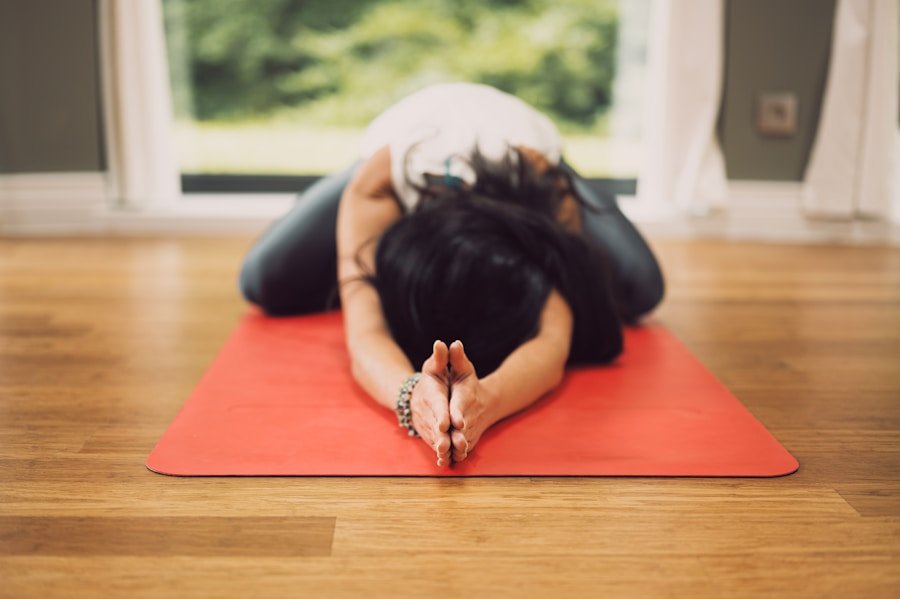

Mindful breathing is a powerful practice that has been used for centuries to promote relaxation, reduce stress, and improve overall well-being. It involves focusing on the breath and being fully present in the moment, allowing the mind to let go of distractions and worries. By bringing attention to the breath, individuals can cultivate a sense of calm and inner peace, leading to a greater sense of clarity and emotional balance.
The power of mindful breathing lies in its ability to bring the mind and body into a state of harmony. When we are stressed or anxious, our breathing becomes shallow and rapid, signaling to the body that it is in a state of distress. By practicing mindful breathing, individuals can slow down their breath and activate the body’s relaxation response, which can help reduce the physical symptoms of stress and anxiety. This can lead to a greater sense of calm and well-being, as well as improved mental clarity and emotional regulation.
How Mindful Breathing Impacts Health
The practice of mindful breathing has been shown to have a profound impact on overall health and well-being. Research has demonstrated that regular practice of mindful breathing can help reduce stress, lower blood pressure, and improve immune function. By bringing attention to the breath, individuals can activate the body’s relaxation response, which can help reduce the physical symptoms of stress and anxiety. This can lead to a greater sense of calm and well-being, as well as improved mental clarity and emotional regulation.
In addition to its impact on stress and anxiety, mindful breathing has also been shown to have a positive effect on mental health. Studies have found that regular practice of mindful breathing can help reduce symptoms of depression and improve overall mood. By bringing attention to the breath and being fully present in the moment, individuals can cultivate a greater sense of awareness and emotional balance, leading to a greater sense of well-being.
Techniques for Practicing Mindful Breathing
There are several techniques that individuals can use to practice mindful breathing. One common technique is to simply focus on the sensation of the breath as it enters and leaves the body. This can be done by bringing attention to the rise and fall of the chest or the sensation of air passing through the nostrils. By focusing on the breath in this way, individuals can cultivate a greater sense of awareness and presence in the moment.
Another technique for practicing mindful breathing is to use a specific breathing pattern, such as deep diaphragmatic breathing or alternate nostril breathing. Deep diaphragmatic breathing involves taking slow, deep breaths from the diaphragm, which can help activate the body’s relaxation response. Alternate nostril breathing involves closing off one nostril at a time while inhaling and exhaling through the other nostril, which can help balance the flow of energy in the body.
Mindful Breathing for Stress Reduction
One of the most powerful benefits of mindful breathing is its ability to reduce stress and promote relaxation. When we are stressed or anxious, our breathing becomes shallow and rapid, signaling to the body that it is in a state of distress. By practicing mindful breathing, individuals can slow down their breath and activate the body’s relaxation response, which can help reduce the physical symptoms of stress and anxiety.
In addition to its impact on stress, mindful breathing can also help individuals develop greater resilience in the face of life’s challenges. By bringing attention to the breath and being fully present in the moment, individuals can cultivate a greater sense of awareness and emotional balance, which can help them navigate difficult situations with greater ease.
Mindful Breathing for Mental Clarity
Mindful breathing has been shown to have a profound impact on mental clarity and cognitive function. By bringing attention to the breath and being fully present in the moment, individuals can cultivate a greater sense of awareness and focus, leading to improved mental clarity and cognitive function.
Research has demonstrated that regular practice of mindful breathing can help improve attention, memory, and decision-making skills. By bringing attention to the breath and letting go of distractions, individuals can train their minds to be more focused and present in their daily activities. This can lead to improved productivity and overall cognitive function.
Mindful Breathing for Emotional Regulation
In addition to its impact on stress and mental clarity, mindful breathing has also been shown to have a positive effect on emotional regulation. By bringing attention to the breath and being fully present in the moment, individuals can cultivate a greater sense of awareness and emotional balance, leading to improved emotional regulation.
Research has demonstrated that regular practice of mindful breathing can help reduce symptoms of anxiety and depression, as well as improve overall mood. By bringing attention to the breath and letting go of distractions, individuals can cultivate a greater sense of calm and inner peace, leading to improved emotional well-being.
Incorporating Mindful Breathing into Daily Life
Incorporating mindful breathing into daily life can be as simple as taking a few moments each day to bring attention to the breath. This can be done by setting aside time for a formal meditation practice or by integrating mindful breathing into everyday activities, such as walking or eating.
One way to incorporate mindful breathing into daily life is to set aside time each day for a formal meditation practice. This can involve finding a quiet space where you can sit comfortably and bring attention to the breath for a few minutes each day. By making this a regular part of your routine, you can cultivate a greater sense of awareness and presence in your daily life.
Another way to incorporate mindful breathing into daily life is to integrate it into everyday activities, such as walking or eating. For example, you can bring attention to the sensation of your breath as you take a walk outside or as you eat your meals. By bringing attention to the breath in this way, you can cultivate a greater sense of awareness and presence in your daily activities.