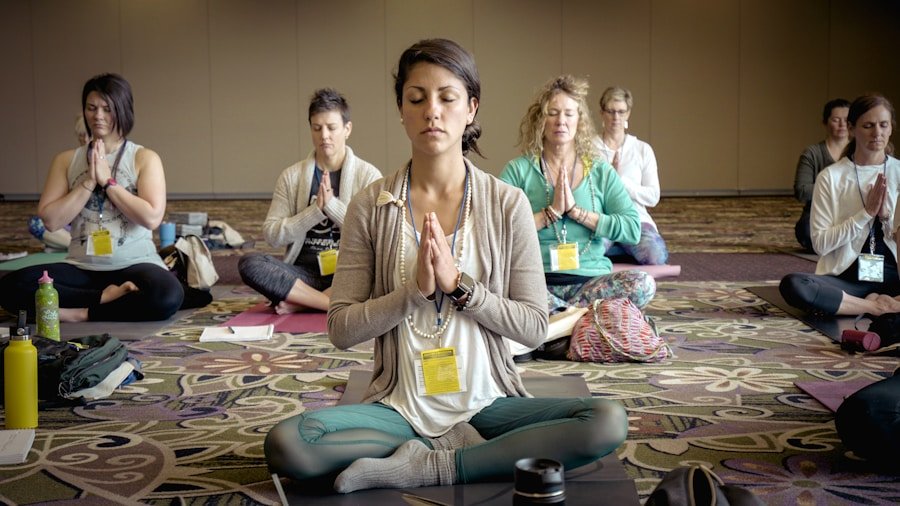

Self-care is a crucial aspect of maintaining overall well-being and health. It involves taking deliberate actions to care for one’s physical, mental, and emotional needs. Many people often overlook the importance of self-care, believing that they must prioritize their responsibilities and obligations above their own well-being. However, neglecting self-care can lead to burnout, increased stress, and a decline in overall health. By understanding the significance of self-care, individuals can prioritize their own needs and improve their quality of life.
Self-care is essential for maintaining a healthy work-life balance. It allows individuals to recharge and rejuvenate, preventing feelings of exhaustion and fatigue. Additionally, self-care plays a vital role in managing stress and preventing burnout. When individuals neglect their own needs, they are more likely to experience increased levels of stress, which can have detrimental effects on their physical and mental health. By prioritizing self-care, individuals can reduce stress levels and improve their overall well-being. Furthermore, self-care is essential for building resilience and coping with life’s challenges. When individuals take the time to care for themselves, they are better equipped to handle stress and adversity, leading to improved mental and emotional health.
Identifying Your Personal Self-Care Needs
Identifying personal self-care needs is an essential step in developing a self-care routine that is effective and sustainable. Each individual has unique needs and preferences when it comes to self-care, so it is important to take the time to reflect on what activities and practices are most beneficial for one’s well-being. One way to identify personal self-care needs is to pay attention to how certain activities make you feel. For example, if spending time outdoors brings a sense of calm and relaxation, then incorporating outdoor activities into your self-care routine may be beneficial. Additionally, it is important to consider the different aspects of self-care, including physical, mental, and emotional needs. By identifying specific areas that require attention, individuals can tailor their self-care practices to address those needs effectively.
Another way to identify personal self-care needs is to consider what activities bring joy and fulfillment. Engaging in activities that bring happiness and satisfaction can have a positive impact on overall well-being. Whether it’s spending time with loved ones, pursuing a hobby, or practicing mindfulness, identifying activities that bring joy can help individuals prioritize self-care in their daily lives. Additionally, it is important to consider any areas of imbalance or neglect in one’s life. For example, if an individual has been neglecting their physical health, they may need to focus on incorporating more physical activity and healthy habits into their self-care routine. By identifying personal self-care needs, individuals can create a self-care plan that is tailored to their unique requirements.
Implementing Self-Care Practices into Your Daily Routine
Implementing self-care practices into your daily routine is essential for maintaining overall well-being. However, many individuals struggle to prioritize self-care amidst their busy schedules and responsibilities. It is important to recognize that self-care does not have to be time-consuming or elaborate; even small, simple actions can have a significant impact on one’s well-being. One way to implement self-care practices into your daily routine is to start small. Begin by incorporating small acts of self-care into your daily schedule, such as taking short breaks throughout the day to relax and recharge. These small moments of self-care can help individuals manage stress and prevent burnout.
Another way to implement self-care practices into your daily routine is to create a self-care schedule or plan. By setting aside dedicated time for self-care activities, individuals can ensure that they prioritize their own well-being amidst their other responsibilities. This may involve scheduling regular exercise sessions, setting aside time for relaxation and mindfulness practices, or planning social activities with loved ones. Additionally, it is important to be consistent with your self-care routine. Making self-care a regular part of your daily schedule can help individuals maintain a healthy work-life balance and prevent feelings of overwhelm and exhaustion.
Creating a Self-Care Plan for Long-Term Well-being
Creating a self-care plan for long-term well-being involves developing a comprehensive approach to caring for one’s physical, mental, and emotional needs. A well-rounded self-care plan should address various aspects of well-being and incorporate a variety of practices and activities that promote overall health. One way to create a self-care plan for long-term well-being is to set specific goals and objectives. By identifying areas of improvement and setting clear goals for self-care, individuals can work towards achieving long-term well-being and overall health.
Additionally, it is important to prioritize self-care activities that promote balance and harmony in one’s life. This may involve incorporating activities that address physical health, such as regular exercise and healthy eating habits, as well as practices that support mental and emotional well-being, such as mindfulness meditation and stress management techniques. By creating a balanced self-care plan that addresses various aspects of well-being, individuals can ensure that they are caring for themselves comprehensively.
Furthermore, it is important to regularly evaluate and adjust your self-care plan as needed. As life circumstances change and evolve, so too should your self-care plan. By regularly assessing your needs and making adjustments to your self-care routine, you can ensure that your plan remains effective and sustainable for long-term well-being.
Overcoming Obstacles to Self-Care
Overcoming obstacles to self-care is essential for maintaining a consistent and effective self-care routine. Many individuals face various challenges that hinder their ability to prioritize self-care, such as time constraints, feelings of guilt or selfishness, or difficulty establishing healthy habits. It is important to recognize these obstacles and develop strategies for overcoming them in order to maintain a sustainable self-care routine.
One common obstacle to self-care is time constraints. Many individuals feel that they simply do not have enough time in their day to prioritize self-care amidst their other responsibilities. However, it is important to recognize that even small moments of self-care can have a significant impact on overall well-being. By finding small pockets of time throughout the day to engage in self-care activities, individuals can overcome the obstacle of time constraints and prioritize their own needs.
Another obstacle to self-care is feelings of guilt or selfishness. Many individuals struggle with feelings of guilt when prioritizing their own well-being over their responsibilities to others. However, it is important to recognize that caring for oneself is not selfish; it is essential for maintaining overall health and well-being. By reframing the mindset around self-care and recognizing its importance, individuals can overcome feelings of guilt and prioritize their own needs without hesitation.
Self-Care for Mental and Emotional Health
Self-care plays a crucial role in maintaining mental and emotional health. In today’s fast-paced world, many individuals experience high levels of stress, anxiety, and other mental health challenges. By prioritizing self-care practices that support mental and emotional well-being, individuals can improve their overall mental health and resilience.
One way to practice self-care for mental and emotional health is through mindfulness meditation and relaxation techniques. Engaging in regular mindfulness practices can help individuals manage stress, reduce anxiety, and improve overall emotional well-being. Additionally, practicing relaxation techniques such as deep breathing exercises or progressive muscle relaxation can help individuals unwind and alleviate feelings of tension and anxiety.
Another important aspect of self-care for mental and emotional health is seeking support from others. Building strong social connections and seeking support from loved ones can have a positive impact on mental health. Whether it’s spending time with friends and family or seeking professional support from a therapist or counselor, connecting with others can provide valuable emotional support and help individuals navigate life’s challenges more effectively.
Self-Care for Physical Health and Well-being
In addition to supporting mental and emotional health, self-care also plays a vital role in maintaining physical health and well-being. Prioritizing physical self-care practices such as regular exercise, healthy eating habits, and adequate rest can have a significant impact on overall health.
Regular exercise is an essential aspect of physical self-care. Engaging in regular physical activity not only supports physical health by improving cardiovascular fitness and strength but also has numerous mental health benefits such as reducing stress and anxiety levels. Finding an exercise routine that you enjoy can make it easier to prioritize physical activity as part of your self-care routine.
Healthy eating habits are also crucial for physical well-being. Consuming a balanced diet that includes a variety of nutrient-dense foods can provide the body with the essential nutrients it needs to function optimally. Additionally, staying hydrated by drinking an adequate amount of water each day is an important aspect of physical self-care.
Finally, adequate rest is essential for maintaining physical health and well-being. Getting enough sleep each night allows the body to rest and recover from the day’s activities, supporting overall health and energy levels. Prioritizing rest as part of your self-care routine can have a significant impact on physical well-being.
In conclusion, prioritizing self-care is essential for maintaining overall well-being and health. By understanding the importance of self-care, identifying personal needs, implementing self-care practices into daily routines, creating long-term plans for well-being, overcoming obstacles, and focusing on both mental/emotional health as well as physical health – individuals can improve their quality of life by prioritizing their own needs through consistent acts of care towards themselves.

Other Articles