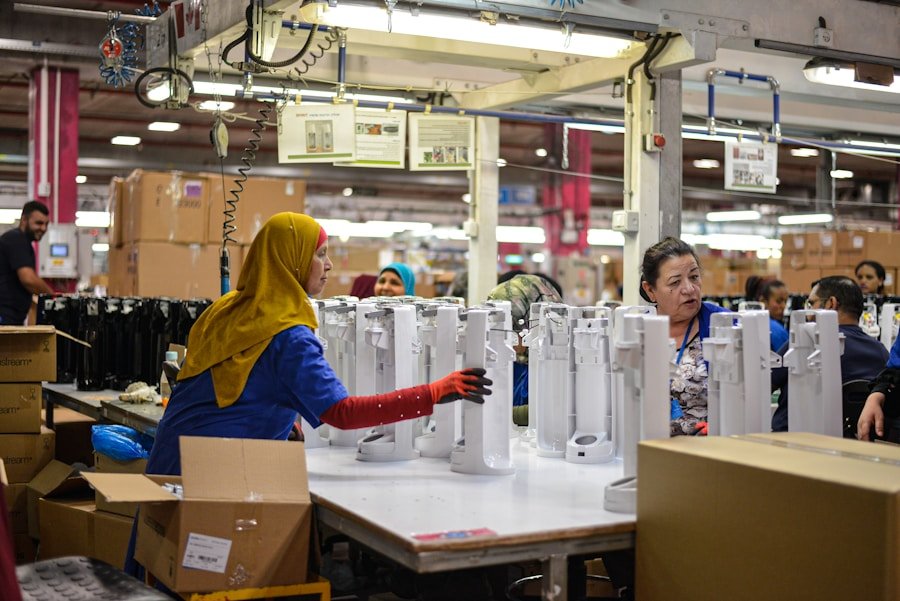

The early days of industry were marked by slow and inefficient production methods. Before the advent of the assembly line, manufacturing was a time-consuming and labor-intensive process. Craftsmen and artisans worked individually to create products, often taking days or even weeks to complete a single item. This limited the quantity of goods that could be produced and made them expensive and inaccessible to the average consumer. The Industrial Revolution brought about significant changes in the way goods were manufactured, with the introduction of new technologies and machinery that increased productivity. However, it wasn’t until the early 20th century that Henry Ford revolutionized the manufacturing process with his innovative assembly line.
During this time, factories were often dark, dirty, and dangerous places to work. Workers toiled long hours in harsh conditions, often for minimal pay. The lack of standardized processes and the reliance on skilled labor made production slow and costly. This limited the availability of goods and made them unaffordable for many people. The early days of industry were characterized by inefficiency and inequality, with only a small portion of the population able to afford the products being produced. This all changed with the introduction of the assembly line, which revolutionized the way goods were manufactured and made them more accessible to the masses.
The Impact of Henry Ford’s Assembly Line
Henry Ford’s introduction of the assembly line in 1913 revolutionized the manufacturing process and had a profound impact on industry as a whole. By breaking down the production of automobiles into a series of simple, repetitive tasks, Ford was able to dramatically increase productivity and reduce the time it took to build a car from 12 hours to just 2 hours and 30 minutes. This allowed Ford to produce cars at a much lower cost, making them affordable to the average consumer for the first time. The assembly line also had a significant impact on the workforce, as it created a demand for unskilled labor and led to the mass migration of workers from rural areas to urban centers in search of employment.
The introduction of the assembly line not only revolutionized the manufacturing process, but it also had a profound impact on society as a whole. The increased efficiency and lower cost of production made goods more accessible to the masses, leading to a rise in consumerism and a higher standard of living for many people. The assembly line also had a significant impact on the global economy, as it allowed for the mass production and distribution of goods on a scale never before seen. This led to increased trade and economic growth, as well as the rise of multinational corporations that could produce goods at a much lower cost than ever before.
The Rise of Mass Production
The introduction of Henry Ford’s assembly line marked the beginning of mass production, which revolutionized the way goods were manufactured and distributed. Mass production allowed for the rapid and efficient production of large quantities of goods at a much lower cost than traditional methods. This made products more affordable and accessible to the masses, leading to a rise in consumerism and economic growth. Mass production also had a significant impact on the workforce, as it created a demand for unskilled labor and led to the migration of workers from rural areas to urban centers in search of employment.
The rise of mass production also had a profound impact on society as a whole. It led to an increase in consumerism and a higher standard of living for many people, as goods became more affordable and accessible. Mass production also had a significant impact on the global economy, as it allowed for the mass production and distribution of goods on a scale never before seen. This led to increased trade and economic growth, as well as the rise of multinational corporations that could produce goods at a much lower cost than ever before. The rise of mass production revolutionized the way goods were manufactured and distributed, leading to significant changes in society and the global economy.
The Effect on the Workforce
The introduction of mass production had a profound effect on the workforce, as it created a demand for unskilled labor and led to significant changes in the way people worked. The assembly line allowed for the rapid and efficient production of large quantities of goods at a much lower cost than traditional methods, leading to an increase in demand for workers in urban centers. This led to the mass migration of workers from rural areas to cities in search of employment, leading to significant changes in society and the economy.
The rise of mass production also led to changes in working conditions, as factories became larger and more mechanized. This led to an increase in workplace injuries and health issues, as workers were exposed to dangerous machinery and harsh working conditions. The rise of mass production also led to changes in labor relations, as workers organized unions and fought for better wages and working conditions. The effect on the workforce was profound, as mass production led to significant changes in society and the economy.
The Global Influence of Ford’s Methods
The introduction of Henry Ford’s assembly line had a significant impact on the global economy, as it allowed for the mass production and distribution of goods on a scale never before seen. This led to increased trade and economic growth, as well as the rise of multinational corporations that could produce goods at a much lower cost than ever before. Ford’s methods revolutionized the way goods were manufactured and distributed, leading to significant changes in society and the global economy.
The global influence of Ford’s methods also led to changes in international trade, as countries around the world adopted mass production techniques to increase their own productivity and economic growth. This led to increased competition in the global marketplace, as countries vied for market share and sought to produce goods at a lower cost than their competitors. The global influence of Ford’s methods revolutionized international trade and led to significant changes in the global economy.
The Legacy of the Assembly Line
The legacy of Henry Ford’s assembly line is profound, as it revolutionized the way goods were manufactured and distributed, leading to significant changes in society and the global economy. Ford’s methods allowed for the rapid and efficient production of large quantities of goods at a much lower cost than traditional methods, making products more affordable and accessible to the masses. This led to an increase in consumerism and economic growth, as well as changes in working conditions and labor relations.
The legacy of the assembly line also had a significant impact on international trade, as countries around the world adopted mass production techniques to increase their own productivity and economic growth. This led to increased competition in the global marketplace, as countries vied for market share and sought to produce goods at a lower cost than their competitors. The legacy of Ford’s methods revolutionized international trade and led to significant changes in the global economy.
The Future of Industrial Innovation
The future of industrial innovation is bright, as new technologies and processes continue to revolutionize the way goods are manufactured and distributed. Advances in automation, robotics, and artificial intelligence are leading to increased productivity and efficiency in manufacturing, allowing for the rapid production of large quantities of goods at a much lower cost than ever before. These advances are also leading to changes in working conditions, as workers are increasingly being replaced by machines and robots.
The future of industrial innovation is also leading to changes in international trade, as countries around the world adopt new technologies and processes to increase their own productivity and economic growth. This is leading to increased competition in the global marketplace, as countries vie for market share and seek to produce goods at a lower cost than their competitors. The future of industrial innovation is revolutionizing international trade and leading to significant changes in the global economy.
In conclusion, Henry Ford’s introduction of the assembly line revolutionized the way goods were manufactured and distributed, leading to significant changes in society and the global economy. The rise of mass production had a profound effect on the workforce, as it created a demand for unskilled labor and led to significant changes in working conditions and labor relations. The global influence of Ford’s methods revolutionized international trade and led to significant changes in the global economy. The legacy of Ford’s methods continues to have a profound impact on industrial innovation, leading to new technologies and processes that are revolutionizing the way goods are manufactured and distributed. The future of industrial innovation is bright, as new technologies continue to increase productivity and efficiency in manufacturing, leading to significant changes in society and the global economy.