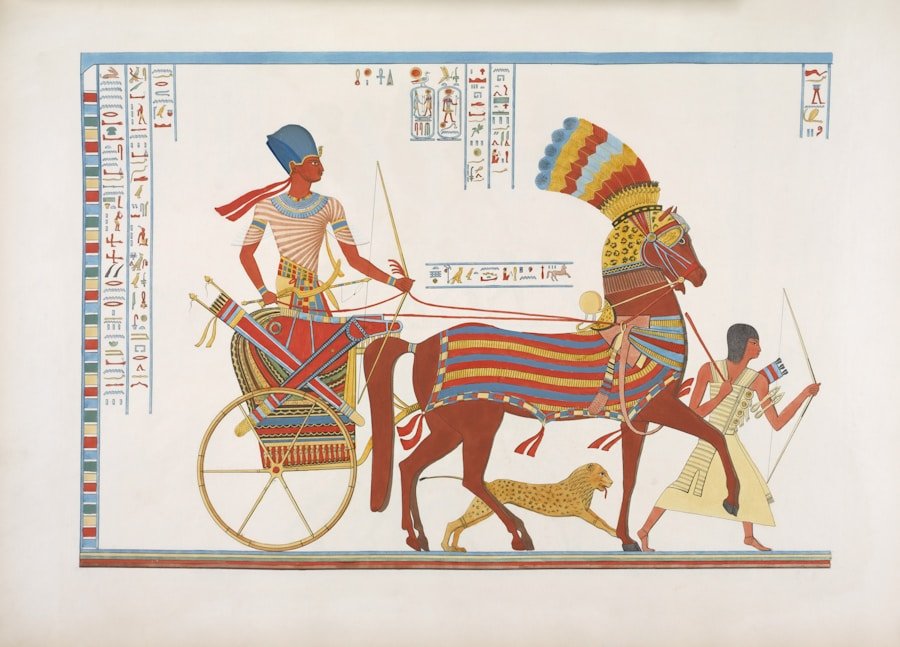

Boudicca, also known as Boadicea, was a Celtic queen who lived in the 1st century AD in what is now known as England. She was the wife of Prasutagus, the king of the Iceni tribe, which was located in what is now Norfolk. During this time, England was under Roman rule, and the Iceni were a client kingdom of the Roman Empire. When Prasutagus died, he left his kingdom to his two daughters and the Roman Emperor Nero, hoping to maintain peace and stability. However, the Romans saw this as an opportunity to seize control of the Iceni lands and mistreated Boudicca and her daughters. This led to Boudicca’s rebellion against the Roman Empire, which would go down in history as one of the most significant uprisings against Roman rule in Britain.
Boudicca’s rebellion was a result of the oppressive and unjust treatment that she and her people faced at the hands of the Roman occupiers. The Romans had imposed heavy taxes on the Iceni people, confiscated their lands, and subjected them to brutal treatment. Boudicca, as a proud and fierce Celtic queen, could not stand by and watch her people suffer. She rallied the tribes of Britain to join her in a revolt against the Roman oppressors, leading to a series of events that would change the course of history in Britain. Boudicca’s rebellion was a bold and courageous stand against the might of the Roman Empire, and it would ultimately lead to a fierce and bloody conflict that would leave a lasting impact on British history.
Boudicca’s Rebellion and the Sacking of London
Boudicca’s rebellion began in 60 AD when she led her forces in a series of attacks against Roman settlements in Britain. The first target was Camulodunum (modern-day Colchester), which was a Roman colony and a symbol of Roman power in Britain. The city was poorly defended, and the Romans were caught off guard by the ferocity of Boudicca’s attack. The city was quickly overrun, and its inhabitants were subjected to brutal treatment at the hands of Boudicca’s forces. The Roman veterans who had settled in Camulodunum were particularly targeted, as they were seen as the enforcers of Roman oppression in Britain.
After the sacking of Camulodunum, Boudicca’s forces moved on to Londinium (modern-day London), which was another important Roman settlement in Britain. Once again, the city was ill-prepared for an attack, and Boudicca’s forces were able to lay waste to the city, burning it to the ground and slaughtering its inhabitants. The sacking of London sent shockwaves throughout the Roman Empire, as it was a major blow to Roman prestige and power in Britain. The rebellion had quickly spiraled out of control, and Boudicca’s forces seemed unstoppable as they continued their campaign of destruction across the country. The Romans were forced to regroup and muster their forces to confront Boudicca and her rebel army.
Boudicca’s Brave Leadership and the Battle of Watling Street
Boudicca’s rebellion had caught the Romans off guard, and they were forced to respond quickly to the threat posed by her forces. The Roman governor Gaius Suetonius Paulinus gathered his troops and marched to confront Boudicca’s rebel army. The two forces met at the Battle of Watling Street, which would be the decisive clash that would determine the fate of Britain. Boudicca’s forces were vastly outnumbered by the well-disciplined Roman legions, but they fought with a fierce determination and bravery that surprised their opponents. Boudicca herself rode in a chariot at the head of her forces, inspiring her warriors with her fearless leadership.
Despite their courage, Boudicca’s forces were no match for the superior tactics and discipline of the Roman legions. The rebels were defeated in a bloody battle that left thousands dead on both sides. Boudicca herself narrowly escaped capture and is believed to have taken her own life to avoid falling into Roman hands. The Battle of Watling Street marked the end of Boudicca’s rebellion and the reassertion of Roman control over Britain. The rebellion had been a valiant effort to throw off the yoke of Roman oppression, but ultimately it had failed to achieve its goal. Boudicca’s brave leadership had inspired her people to rise up against their oppressors, but in the end, they had been unable to overcome the might of the Roman Empire.
The Aftermath of Boudicca’s Rebellion
The aftermath of Boudicca’s rebellion was a period of harsh retribution and punishment for the tribes of Britain. The Romans sought to crush any further resistance and ensure that their control over Britain remained unchallenged. The Iceni and other tribes who had supported Boudicca were subjected to brutal reprisals, with many being killed or enslaved by the Romans. The lands of the rebels were confiscated, and their leaders were executed or exiled. The rebellion had left a deep scar on the psyche of both the Romans and the Britons, and it would take many years for wounds to heal and for trust to be restored between the two peoples.
The aftermath of Boudicca’s rebellion also had far-reaching consequences for the future of Britain. The Romans realized that they needed to adopt a more conciliatory approach towards the native tribes if they were to maintain control over their newly conquered territory. This led to a period of relative peace and stability in Britain, as the Romans sought to win over the hearts and minds of the Britons through diplomacy and economic incentives. The legacy of Boudicca’s rebellion would continue to shape the relationship between Britain and Rome for centuries to come, as both sides sought to find a balance between cooperation and conflict.
Boudicca’s Legacy and Impact on British History
Boudicca’s rebellion may have ultimately failed in its immediate goal of driving out the Romans from Britain, but its impact on British history was profound and enduring. Boudicca herself became a symbol of resistance and defiance against foreign oppression, and her name would be remembered for generations to come. Her story was passed down through oral tradition and later recorded by Roman historians such as Tacitus, who portrayed her as a heroic figure who had fought bravely for her people’s freedom. In later centuries, Boudicca would be celebrated as a national hero in Britain, with statues and memorials erected in her honor.
Boudicca’s legacy also had a lasting impact on British identity and culture. Her rebellion had highlighted the fierce independence and warrior spirit of the Celtic tribes who inhabited Britain before the Roman conquest. This legacy would be embraced by later generations as a source of national pride and inspiration. Boudicca’s story would be retold in countless works of literature, art, and music, serving as a powerful symbol of resistance against tyranny and injustice. Her name would become synonymous with courage and defiance, inspiring countless others to stand up for their beliefs and fight for their freedom.
Uncovering the Truth: Reexamining Boudicca’s Place in History
In recent years, there has been a renewed interest in reexamining Boudicca’s place in history and uncovering the truth behind her rebellion. Historians have sought to challenge some of the traditional narratives about Boudicca and her rebellion, which have often been shaped by biased Roman accounts. By looking at archaeological evidence and reinterpreting ancient texts, scholars have been able to gain new insights into Boudicca’s life and legacy. They have sought to understand her motivations for rebelling against Rome and to shed light on the experiences of her people under Roman rule.
One area of particular interest has been Boudicca’s role as a female leader in a male-dominated society. Historians have sought to understand how she was able to rally her people behind her cause and lead them into battle against a formidable enemy. They have also explored how her gender may have influenced her treatment by both her own people and the Romans. By reexamining Boudicca’s place in history, scholars have been able to gain a deeper understanding of her significance as a historical figure and her impact on British history.
Boudicca’s Courageous Stand: Lessons for Modern Times
Boudicca’s rebellion may have taken place over 2,000 years ago, but her story continues to resonate with modern audiences as a powerful example of courage and resilience in the face of adversity. Her brave stand against oppression serves as an inspiration for people around the world who are fighting for their rights and freedoms today. Boudicca’s rebellion reminds us that even in the darkest times, it is possible for individuals to make a difference and stand up for what they believe in.
Boudicca’s story also serves as a cautionary tale about the dangers of unchecked power and oppression. Her rebellion was sparked by the unjust treatment that she and her people faced at the hands of their Roman overlords. It serves as a reminder that when people are pushed too far, they will eventually rise up against their oppressors, no matter how powerful they may seem. Boudicca’s courageous stand against tyranny continues to inspire those who are fighting for justice and equality in today’s world.
In conclusion, Boudicca’s rebellion against the Roman Empire was a defining moment in British history that continues to capture the imagination of people around the world. Her brave leadership and fierce determination have left an indelible mark on British identity and culture, serving as a powerful symbol of resistance against oppression. By reexamining her place in history, we can gain new insights into her significance as a historical figure and learn valuable lessons from her courageous stand against tyranny. Boudicca’s legacy continues to inspire those who are fighting for their rights and freedoms today, reminding us that even in the darkest times, it is possible for individuals to make a difference and stand up for what they believe in.