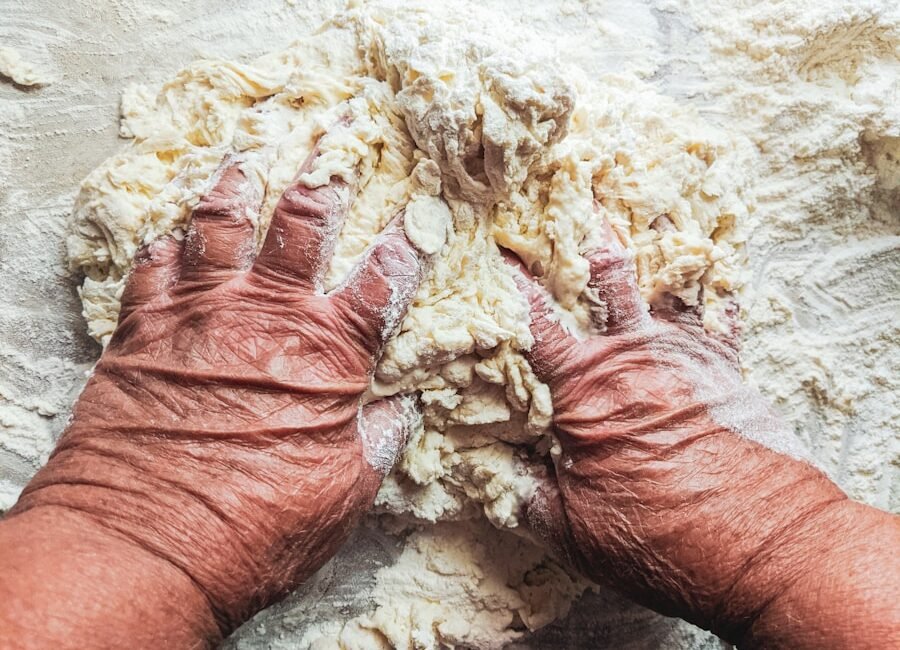

Baking bread is a labor of love that requires a great deal of patience. From waiting for the dough to rise to allowing the bread to bake to perfection, patience is a key ingredient in the bread-making process. Understanding the importance of patience in baking bread is essential for achieving the perfect loaf. Patience allows the yeast to work its magic, creating a light and airy texture in the bread. It also allows the flavors to develop, resulting in a more complex and delicious final product. Without patience, the bread may not rise properly or develop the desired texture and flavor. Embracing the art of waiting in bread making is a lesson in mindfulness and appreciation for the process. It teaches us to slow down, savor the moment, and enjoy the journey of creating something beautiful and delicious from simple ingredients.
In a world that often values speed and instant gratification, baking bread teaches us the value of patience and the rewards that come with it. The act of waiting for the dough to rise can be a meditative experience, allowing us to slow down and be present in the moment. It teaches us to trust in the process and have faith that our efforts will be rewarded with a delicious loaf of bread. Patience in baking bread also extends to the act of kneading and shaping the dough. Taking the time to knead the dough properly and shape it with care can make a significant difference in the final outcome. It is a reminder that good things come to those who wait, and that patience is indeed a virtue in the art of bread making.
Embracing Imperfection: Learning to Accept Mistakes and Adapt in Bread Making
Bread making is an art that requires a willingness to embrace imperfection. Mistakes are inevitable in the process, whether it’s over-kneading the dough, under-proofing the bread, or burning it in the oven. Learning to accept these mistakes and adapt is an important lesson in bread making. It teaches us resilience and flexibility, as well as the ability to problem-solve and think on our feet. Embracing imperfection in bread making also allows for creativity and experimentation. It encourages us to try new techniques and flavors, knowing that not every loaf will turn out perfectly, but that each attempt is an opportunity for growth and learning.
In a world that often values perfection, embracing imperfection in bread making is a refreshing reminder that beauty can be found in flaws. It teaches us to let go of unrealistic expectations and instead focus on the joy of the process. Embracing imperfection also fosters a sense of humility and gratitude, as we learn to appreciate the effort and skill that goes into creating a loaf of bread, even if it’s not flawless. It is a reminder that perfection is not the goal, but rather the journey of learning and growing through our mistakes and adaptations.
Finding Joy in the Process: Discovering the Pleasure of Kneading and Shaping Dough
One of the most rewarding aspects of bread making is finding joy in the process of kneading and shaping dough. There is something deeply satisfying about working with your hands to transform simple ingredients into a beautiful and delicious loaf of bread. Kneading dough allows us to connect with our senses, feeling the texture and elasticity of the dough as it comes together. It is a physical and meditative act that can be both calming and invigorating. Shaping the dough into loaves or rolls is an opportunity for creativity and self-expression, allowing us to put our own personal touch on each batch of bread we make.
Finding joy in the process of kneading and shaping dough also teaches us patience and perseverance. It requires time and effort to develop the gluten in the dough through kneading, as well as skill and practice to shape it into beautiful loaves. It is a reminder that good things take time and effort, but that the rewards are well worth it. Finding joy in this process also fosters a sense of pride and accomplishment, as we see our hard work come to fruition in the form of a delicious loaf of bread.
The Power of Persistence: Overcoming Challenges and Failures in Bread Baking
Bread baking can be a challenging and sometimes frustrating endeavor, but it also teaches us the power of persistence. There will inevitably be failures along the way – loaves that don’t rise, bread that comes out too dense or too dry – but it is through these challenges that we learn and grow as bakers. The power of persistence in bread baking lies in our ability to keep trying, even when things don’t go as planned. It teaches us resilience and determination, as well as the importance of learning from our mistakes and adapting our approach.
Overcoming challenges and failures in bread baking also builds character and confidence. It teaches us to trust in our abilities and believe in our potential for success, even when faced with setbacks. It is a reminder that failure is not a reflection of our worth or skill, but rather an opportunity for growth and improvement. The power of persistence in bread baking also fosters a sense of community and support, as we share our experiences with other bakers and learn from each other’s successes and failures.
Cultivating Mindfulness: Practicing Presence and Focus in the Kitchen
Bread making is an opportunity to cultivate mindfulness by practicing presence and focus in the kitchen. It requires us to be fully engaged in the process, paying attention to every detail from measuring ingredients to kneading dough to shaping loaves. Cultivating mindfulness in bread making allows us to slow down and savor each moment, appreciating the sights, sounds, and smells of the kitchen. It is an opportunity to be fully present in the act of creation, finding joy in the simple pleasures of working with our hands and creating something nourishing and delicious.
Practicing presence and focus in the kitchen also teaches us patience and discipline. It requires us to stay attentive and alert throughout the entire bread-making process, from start to finish. It is a reminder that good things come to those who are patient and diligent, as we watch our efforts transform into a beautiful loaf of bread. Cultivating mindfulness in bread making also fosters a sense of gratitude and appreciation for the ingredients we use, as well as for the time and effort we put into creating something special for ourselves and others.
Nurturing Resilience: Developing a Positive Attitude and Perseverance in Bread Making
Bread making nurtures resilience by encouraging us to develop a positive attitude and perseverance in the face of challenges. It teaches us to approach each batch of bread with optimism and determination, knowing that there will be obstacles along the way but believing that we have the strength and skill to overcome them. Nurturing resilience in bread making also fosters a sense of self-confidence and self-reliance, as we learn to trust in our abilities and believe in our capacity for success.
Developing a positive attitude and perseverance in bread making also builds character and fortitude. It teaches us to stay focused on our goals, even when faced with setbacks or failures. It is a reminder that success is not always easy or straightforward, but that with dedication and hard work, we can achieve our desired outcome. Nurturing resilience in bread making also fosters a sense of pride and accomplishment, as we see our efforts pay off in the form of a beautiful loaf of bread that we can share with others.
Sharing the Bounty: Spreading Love and Connection Through Homemade Bread
One of the most rewarding aspects of bread making is sharing the bounty with others, spreading love and connection through homemade bread. There is something deeply satisfying about offering a warm loaf of freshly baked bread to friends or family, knowing that it was made with care and intention. Sharing homemade bread fosters a sense of community and connection, bringing people together around a common love for good food and good company.
Spreading love and connection through homemade bread also teaches us generosity and compassion. It is an opportunity to give something meaningful to others, nourishing both their bodies and their spirits with something made from the heart. It is a reminder that small acts of kindness can have a big impact on others, fostering feelings of warmth and gratitude. Sharing homemade bread also fosters a sense of pride and fulfillment, as we see how our efforts can bring joy to others’ lives.
In conclusion, bread making is not just about creating delicious loaves – it is about embracing patience, imperfection, joy, persistence, mindfulness, resilience, and connection. It teaches us valuable life lessons that extend far beyond the kitchen, shaping us into more patient, resilient, mindful, and generous individuals. So next time you bake a loaf of bread, remember that you are not just making food – you are cultivating important qualities that will enrich your life and those around you.